The End

In the end, I acquired a deeper appreciation for Business Design. We went from an impersonal idea – an AI chatbot – to a deeply meaningful patient experience. We recommended a solution that included a volunteer, tea, and a pen and paper. But behind those simple solutions lies a world of meaning.
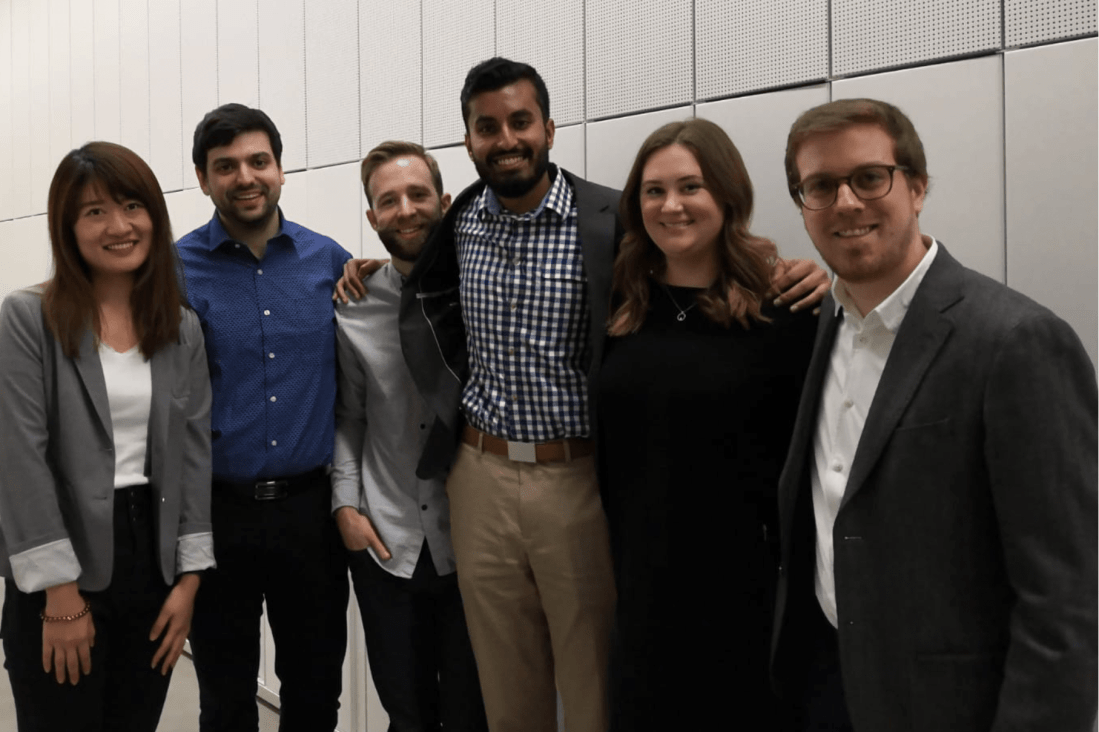
team.png

Without going through the activities of the class, we would have never been able to come to a solution as meaningful. We were able to leverage each of our strengths and backgrounds to create a final recommendation that we feel is both practical, and purposeful.

Overall, I can say that Business Design has opened my mind when it comes to the importance of human-centered solutions.

Coming to Solutions

We finally had a vision:

How might we build trust between the Micc and Naresh (South Asian Immigrant Seniors) by displaying signs and providing meaningful activities, instilling a sense of nostalgia and promoting new memories? 

Now had to solve our problem. We generated a lot of bad ideas: we facilitate speed dating, give Naresh sleeping pills, fly Naresh back home to see his old doctor, etc. They also gave us insights into what a solution could look like: a light dusting of cultural symbols, an area in which Naresh felt comfortable, and an activity that he would feel is important.

Our initial solution probably had about 10 different solutions/steps in it. When we ran this by our target demographic, it was confusing. So we continued to iterate on our prototypes until we reached three core offerings.

First, Naresh would be greeted by someone of similar ethnic background. Second, he would then wait in a tea room. Pratyush had said that Chai in India is normally consumed with loved ones or friends. Finally,  he could participate in a culture centered activity: he could answer a local school’s question about his culture. Finally, a solution!

Down the Rabbit Hole

So we had a Naresh, and knew what he wanted: to stay healthy. Obvious right? It turned out to be a bit too obvious. Who doesn’t want to stay healthy, and how was that supposed to turn into a unique patient experience? We had to go deeper, so it was back to the drawing board!

After a number of attempts to discover what was driving Naresh, we finally made a breakthrough: Naresh wanted to pass along his culture. Because Naresh was an immigrant to Canada, he felt that he needed to make a greater effort to preserve his memories. He did not trust the healthcare system because he perceived certain barriers: language, shared norms, etc.

Focus on Framing

So out came the sticky notes, markers, and whiteboard.

Whiteboard.PNG
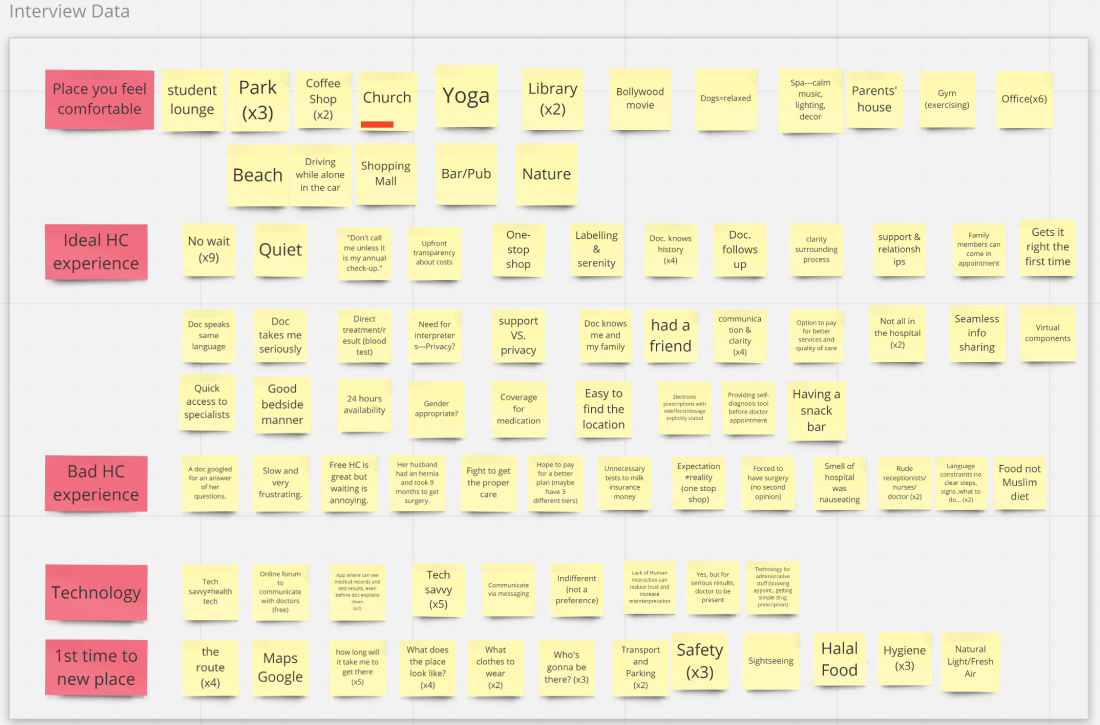
This is the final product of hours of framing.

Although it looks pretty now, our data looked like the photo below. Just a mess of words, from 21 interviews, over 50 photos, and numerous secondary sources. Our task now was to boil all of this down into themes and categories.

pile of notes
Artist rendering of initial findings

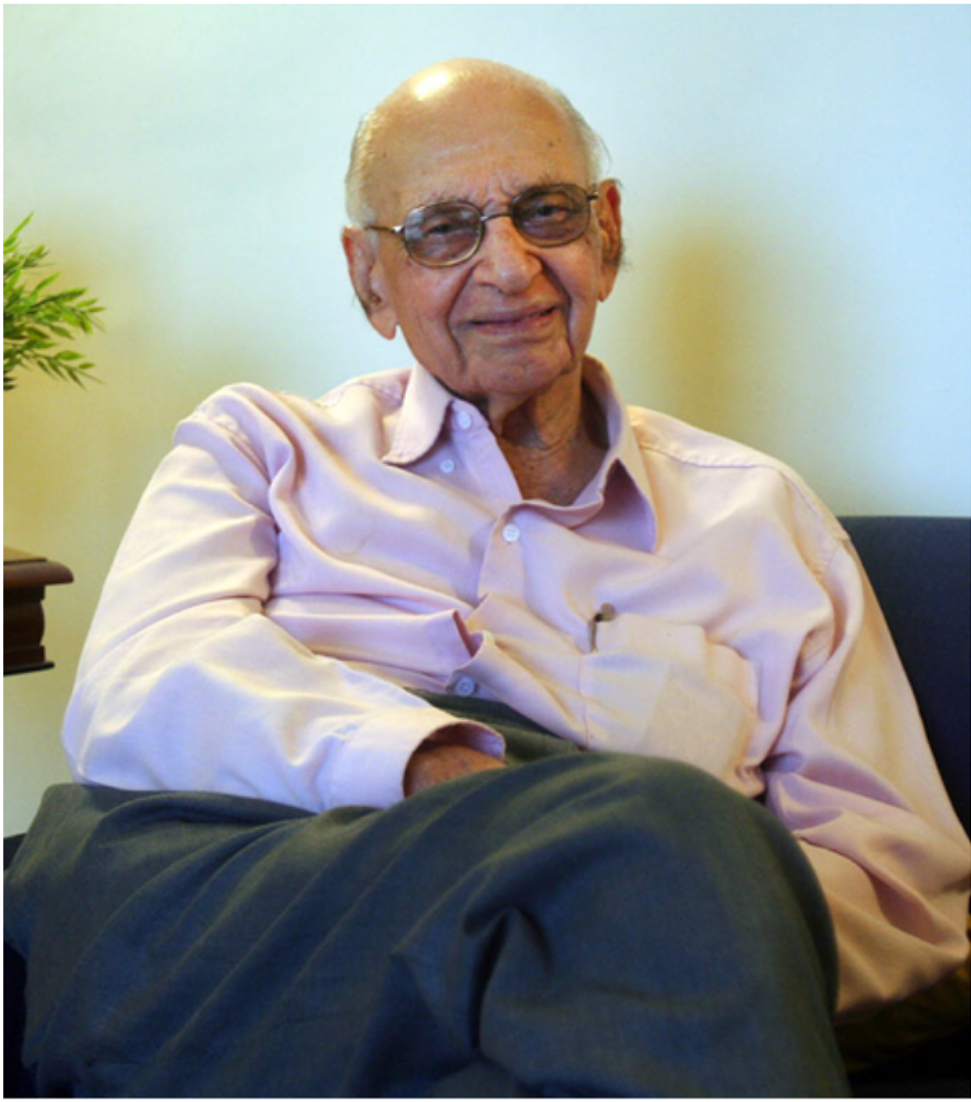
By using general headings to lump findings together, we could see some patterns within the data. We then formed these patterns into a persona. Once we had a user – Naresh – we were able to send him to the MICC. But first, we needed to know what he cared about. What drives Naresh?

naresh
Naresh

It was clear to us that we had still not discovered the true needs of our user, and needed to dig deeper.

Start off Sensing

At our first meeting, we went into case comp mode: here is the problem – people are not satisfied with waiting. Here was our solution – an AI chatbot: it would diagnose, triage, and send them to a specialist. Seems pretty easy right? There was already a company doing this in the states and we could just recommend that the MICC contract them.

But we needed a little faith in the system. So we started gathering data:

I began taking photos of everything I could find and started interviewing users not knowing what we would discover. After so many, you begin to see patterns. Things like lighting, signage, and emotion started to present themselves as potential variables for consideration.

But we ended up with more data then we had expected, and had no idea of how to deal with it all. It was a bit frustrating. We had collected all of this information, but it seemed like it didn’t get us any closer to recommending a solution.

Design: What is it good for?

So the Journey Begins!

iphone image

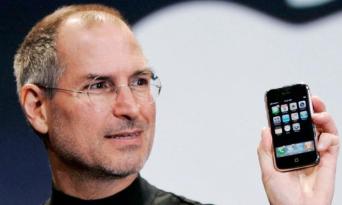
Steve Jobs reveals the first Iphone. Was it good design or good marketing? I started this class thinking that Design was mostly a marketing tool. Was I ever wrong!

As a team, we were asked to develop a patient experience for the MICC. We performed a number of activities aimed at sensing, framing, and solving. So how did we get from an AI diagnosis robot to tea? Keep reading to find out!